REVIEW · TOKYO
Tokyo Cherry Blossom Matcha Experience in Yoyogi Park (Shibuya)
Book on Viator →Operated by 明治神宮で本物の日本文化を体験 · Bookable on Viator
A cherry blossom matcha picnic sounds dreamy. It’s a short, hands-on Uji matcha experience in Yoyogi Park that mixes spring scenery with real tea culture, guided by a certified Matcha Hospitality Adviser.
I really like how relaxed it is (no strict rules) and how beginner-friendly it feels, plus you get to whisk your own bowl using traditional tools. The main thing to weigh is that it’s only offered around late March, and it depends on weather and cherry blossom timing.
Spring in Tokyo is too short for guesswork, so this set-up helps. Still, it’s worth knowing the focus is matcha and hospitality, not a long formal tea ceremony.
In This Review
- Key highlights you’ll care about
- A spring matcha picnic you can do in 1 hour
- Uji matcha, real tools, and why the wagashi pairing matters
- Where it fits in Shibuya, Harajuku, and Omotesando
- The Shibuya and Harajuku warm-up: small-time, big-clarity
- Yoyogi Park: the main event under the sakura
- Harajuku Station and Omotesando: a calm wrap after the blossoms
- Price and value: is $100.80 worth it?
- Who this matches best, and who might skip it
- Weather and cherry blossom timing: the real decision point
- Quick practical tips before you go
- Should you book this Tokyo cherry blossom matcha picnic?
- FAQ
- How long is the Tokyo cherry blossom matcha experience?
- Where does the experience take place?
- Is it available year-round?
- Is it a formal Japanese tea ceremony?
- What’s included in the price?
- Do I need prior matcha experience or special clothing?
- What language is the tour delivered in?
- How many people are in the group?
- Where do I meet, and where does it end?
- What if the weather is bad?
Key highlights you’ll care about
- Certified Matcha Hospitality Adviser leading your hands-on matcha time
- Rare Uji matcha with traditional tools you’ll use yourself
- Not a formal tea ceremony, so it’s easy for first-timers
- Yoyogi Park sakura views close to Shibuya and Shinjuku
- Small group limit (max 6) for a calmer experience and more questions
- Seasonal wagashi sweets included for a proper tea-and-sweet pairing
A spring matcha picnic you can do in 1 hour
If you want a “Tokyo moment” that still feels practical, this one hits the sweet spot. You’ll head into Yoyogi Park for a matcha picnic during cherry blossom season, then return to the meeting area. The length is about an hour, so you don’t have to plan your whole day around it.
What makes it feel different from the usual Tokyo food tours is that it’s not just tasting. You make the matcha yourself. You also learn the hospitality side of Japanese tea culture in plain English, in a way that doesn’t pressure you to perform.
Best of all, it happens right in one of Tokyo’s best sakura zones: Yoyogi Park. That matters because you’re not hunting for photo backdrops all on your own. The timing and setting are the point.
You can also read our reviews of more tours and experiences in Tokyo.



Uji matcha, real tools, and why the wagashi pairing matters
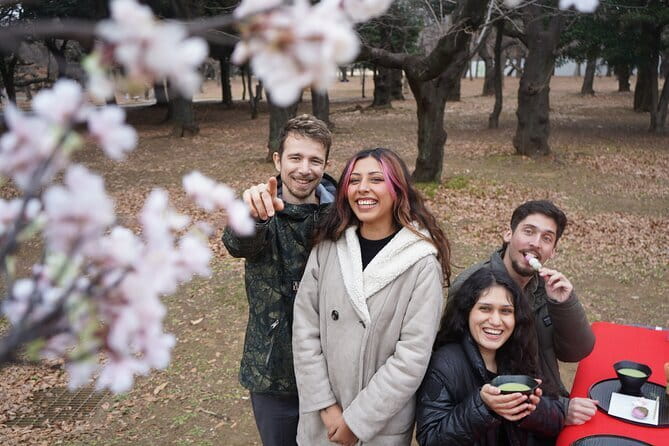
The headline is Uji matcha, described as rare and normally hard for visitors to access. That alone is a good value signal. Instead of paying for a generic drink, you’re paying for a specific ingredient and a guided way to make it.
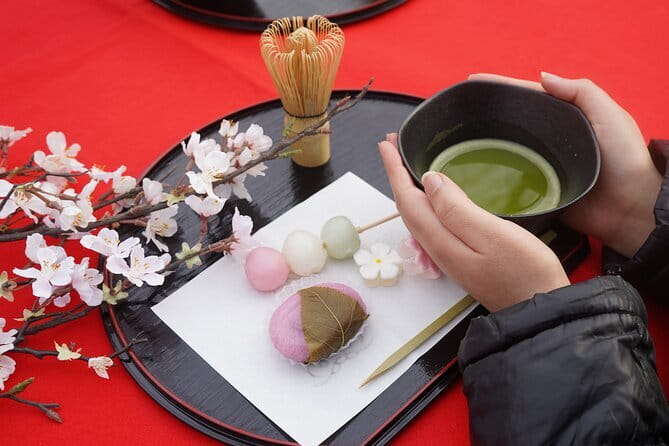
You’ll whisk your own bowl using traditional tea tools. Even if you don’t know matcha from your morning cereal, the host will guide you step by step. The vibe stays relaxed, so you’re not sitting through a lecture while pretending you understand Japanese tea gear.
Then you get seasonal Japanese wagashi sweets included. That’s important for two reasons:
- Matcha tends to taste cleaner and more vegetal, so a sweet with a seasonally matched flavor profile helps balance the cup.
- Wagashi gives you a real cultural pairing, not just any dessert you could buy from a convenience store.
You’ll also have several cups of matcha tea during the experience. So it’s not a one-sip sample. It’s more like a short lesson plus a proper snack break.
Where it fits in Shibuya, Harajuku, and Omotesando
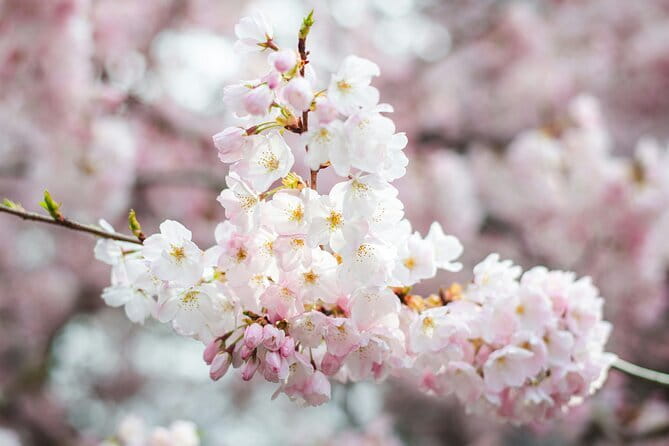
This experience is based in the Shibuya–Harajuku–Omotesando belt, which is exactly where most first-time Tokyo days start anyway. The meeting point is Harajuku Station, and the tour ends back at the same spot. That makes it easy to tack onto a cherry blossom day without worrying about a complicated end location.
The tour includes stops that move through:
- Shibuya
- Yoyogi Park
- Harajuku Station
- Omotesando
In plain terms: you get a little neighborhood context before and after the park portion. You’re not just dropped off in the middle of sakura chaos.
The Shibuya and Harajuku warm-up: small-time, big-clarity
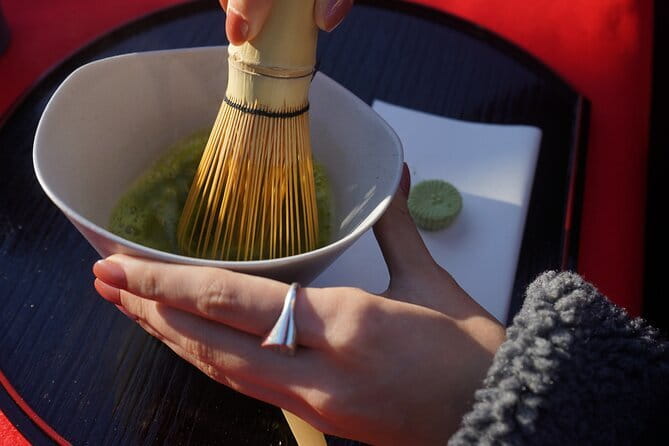
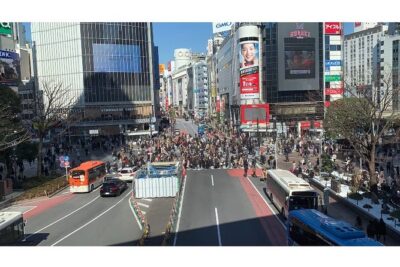
At the start, you’re in the Harajuku Station area. This is smart because it helps you get oriented fast in one of Tokyo’s busiest transit hubs. The walking/transition part matters more than you might think. In Tokyo, your first day can feel like information overload. A short, guided warm-up keeps you from wasting your best energy figuring out where to stand for photos.
During the early portion (including the Shibuya stop), you’ll get cultural context tied to the tea experience. Expect guidance in English, and expect the host to answer curiosity questions rather than just push forward on a script.
One detail that stood out from an earlier participant: they were genuinely curious about why there seemed to be fewer trash cans around than they expected in Japan. That kind of question is exactly the sort of thing this tour’s tone supports. It’s friendly. It’s human. You’ll likely get answers that make your walk through Tokyo feel more understandable.
Yoyogi Park: the main event under the sakura
This is the heart of the experience. Yoyogi Park is famous for cherry blossoms, and during peak season it becomes a living postcard. The difference here is you’re not only there to look. You’re there to pause and do something.
Once you’re in the park, the matcha picnic portion kicks in. You’ll whisk matcha with traditional tools, taste it, and learn the basics of Japanese tea hospitality in a way that connects to what you’re seeing around you.
Because the experience is beginner-friendly and specifically described as not a formal tea ceremony, you won’t feel like you’re supposed to do everything perfectly. You’re learning while you’re tasting. That’s a big deal for nervous first-timers.
Photo matters here too. There are optional photo sessions, and you’ll be in a setting designed for sakura pictures. Still, you’ll get more from the moment if you also take a slow breath and treat the park time as the actual activity, not just a backdrop.




Harajuku Station and Omotesando: a calm wrap after the blossoms
After the park portion, the experience shifts back toward the station area, including time around Harajuku Station and Omotesando. This part works well because it’s a natural landing zone. You’ve had your quiet tea-and-sakura break, and then you’re back near the places that make Shibuya feel convenient and easy to explore.
Omotesando is where Tokyo can look extra styled and modern. Having it folded into a tea experience keeps the day from feeling like one long shopping sprint. It’s also a nice way to keep your senses fresh after a slower, seated moment in the park.
You’ll also likely get more relaxed conversation at this stage. If you have questions about matcha, hospitality habits, or what to look for in Japanese sweets, this wrap-up time is usually when those questions come out.
Price and value: is $100.80 worth it?
$100.80 per person is not cheap for Japan. But it can make sense if you think about what’s included and how rare the setup is.
Here’s what you’re paying for:
- A small group (max 6), which usually means more attention and less waiting
- A host described as a certified Matcha Hospitality Adviser
- Hands-on making of matcha with traditional tools
- Several cups of matcha tea during the hour
- Seasonal wagashi sweets included
- A cherry blossom park setting during a short seasonal window
- Optional photo sessions
If you compare this to buying matcha and sweets on your own, the difference is the guidance and the structure. You’re also getting Uji matcha described as rare and normally not easy for visitors to access.
If you’re the kind of traveler who likes learning one small thing deeply during a trip, this price can feel fair. If you mainly want cheap eats and casual wandering, you might feel it’s more than you need. But the combo of sakura timing plus hands-on tea-making is the key value driver.
Who this matches best, and who might skip it
This is a great fit if you:
- Want a first-day activity that’s easy and not too long
- Like food experiences that include a lesson, not just a tasting
- Want cherry blossoms with structure, so you’re not scrambling for the best spot
- Prefer small groups over big tour buses
- Are traveling solo, as a couple, or with family and want an activity that doesn’t require prior tea knowledge
You might choose something else if you want:
- A longer, formal tea ceremony style with more ritual and time
- A tour that’s heavily focused on history walking and major sightseeing stops
- A flexible schedule that doesn’t depend on spring weather and blossom timing
Weather and cherry blossom timing: the real decision point
This experience is only available during cherry blossom season, described as starting around March 23 for about two weeks, depending on blossom conditions. That means you’re not only booking a tour—you’re booking a slice of spring.
It also requires good weather. If it’s canceled due to poor weather, you’ll be offered a different date or a full refund. Practically, that tells you the host puts the emphasis on the park setting and the outdoor matcha picnic part. If you’re visiting Tokyo specifically for sakura, this kind of tour can be worth it, as long as you’re okay with the reality that nature runs the schedule.
Quick practical tips before you go
You don’t need special clothing, since there’s no dress code. Still, do think like a park visitor. Plan for walking and standing a bit, and wear comfortable shoes.
Bring your phone camera expectations down to earth: it’s optional to do a photo session, but Yoyogi Park will already be full of people looking for pictures. If you want your photos to look calm and composed, treat your tea time as the “quiet window,” not as a rush.
And since this is matcha-focused, don’t over-plan your schedule right before. You’ll enjoy it more if you arrive feeling unhurried.
Should you book this Tokyo cherry blossom matcha picnic?
I’d book it if you want something that feels authentically Tokyo but still grounded and beginner-friendly. The best reasons are the combination: hands-on matcha making, a trusted tea-adviser style of guidance, and sakura scenery in one of the city’s most famous parks.
I’d hesitate if you’re visiting outside the short spring window, or if you hate anything that depends on weather and blossom conditions. This isn’t a “sure thing” sightseeing ticket. It’s a spring experience that works when the season is working.
If your trip includes late March into early April and you want an activity that’s both photo-worthy and genuinely hands-on, this is one of the more thoughtful ways to spend an hour.
FAQ
How long is the Tokyo cherry blossom matcha experience?
It lasts about 1 hour.
Where does the experience take place?
It’s in Tokyo, with the main setting in Yoyogi Park near Shibuya and Harajuku.
Is it available year-round?
No. It’s only available during cherry blossom season, around March 23 for about two weeks depending on conditions.
Is it a formal Japanese tea ceremony?
No. It’s described as a relaxed, beginner-friendly matcha picnic experience, not a formal tea ceremony.
What’s included in the price?
You’ll get matcha making with traditional tools, seasonal Japanese wagashi sweets, and several cups of matcha tea. Snacks are included, and coffee and/or tea are also mentioned as included.
Do I need prior matcha experience or special clothing?
No. There’s no experience needed and there’s no dress code.
What language is the tour delivered in?
It’s led in English by a local host.
How many people are in the group?
The group maximum is 6 travelers.
Where do I meet, and where does it end?
You start at Harajuku Station (1 Chome-18 Jingumae, Shibuya, Tokyo 150-0001, Japan), and the activity ends back at the meeting point.
What if the weather is bad?
The experience requires good weather. If it’s canceled due to poor weather, you’ll be offered a different date or a full refund.