REVIEW · TOKYO PREFECTURE
Vegan/Vegetarian Ramen and Gyoza by Bentoya cooking
Book on Viator →Operated by BentoYa Cooking,Japanese Vegan/Vegetarian Cooking School · Bookable on Viator
Vegan ramen starts with a serious soup. This BentoYa Cooking class in Komae is built around making vegan/vegetarian Japanese food from the ground up, with time to learn the flavors, the tools, and the techniques you’ll actually use at home.
I especially like that you start with a local supermarket run, not just a kitchen lesson. You also learn to build the ramen soup from scratch and make gyoza with a step-by-step approach that includes cutting and seasoning.
One thing to keep in mind: in Japan, traditional vegetarian cooking can be tricky because dashi often leans on fish stock. This class is designed to work around that, but if you’re expecting classic fish-based dashi taste, your ramen will be its own (still very convincing) flavor path.
In This Review
- Key Highlights You’ll Care About
- A Real Tokyo Kitchen Experience (Not a Factory Class)
- The 2.5-Hour Cooking Flow: From Komae Station to a Finished Lunch
- 1) Meet up, then head to the supermarket
- 2) Back to the kitchen: ramen soup from scratch
- 3) Then gyoza: stuffing, shaping, cooking
- 4) Lunch you actually made
- Ramen Soup From Scratch: The Flavor Lesson You’ll Reuse
- Gyoza That Don’t Feel Like an Afterthought
- Your Instructor Team: Kaori, Miwa, and Rina
- Price and Value: $75 for Skills You Can Actually Use
- Who This Is For (and Who Might Want Another Option)
- Practical Tips Before You Go
- Should You Book BentoYa Cooking’s Vegan Ramen and Gyoza Class?
- FAQ
- Where does the class start?
- How long is the vegan ramen and gyoza cooking class?
- How much does it cost?
- Do I need to be vegan to join?
- How big is the group?
- What time does it run?
Key Highlights You’ll Care About
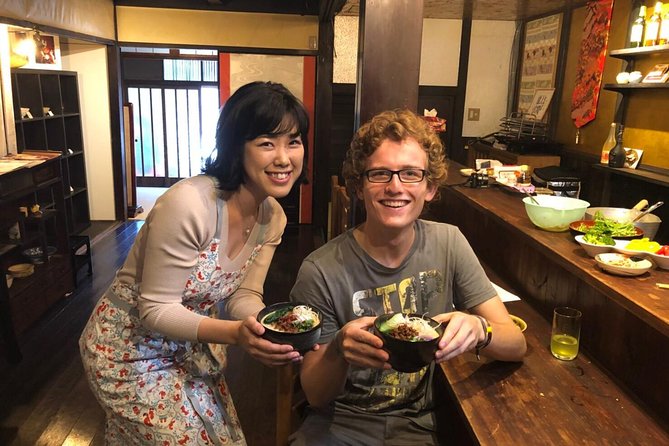
- Small-group class (max 6 people) means you get real attention while you cut, mix, and cook.
- Supermarket time in the local area helps you spot the Japanese ingredients you can actually buy back home.
- Ramen soup from scratch teaches how to think about balance, not just follow steps.
- Gyoza technique focus covers stuffing, cooking, and how to get the dumplings looking right.
- Instruction files afterward help you redo the meal once you’re back in your own kitchen.
- English support with local instructors (often led by Kaori, with partners like Miwa on some days, and sometimes Rina) keeps the learning smooth.
A Real Tokyo Kitchen Experience (Not a Factory Class)
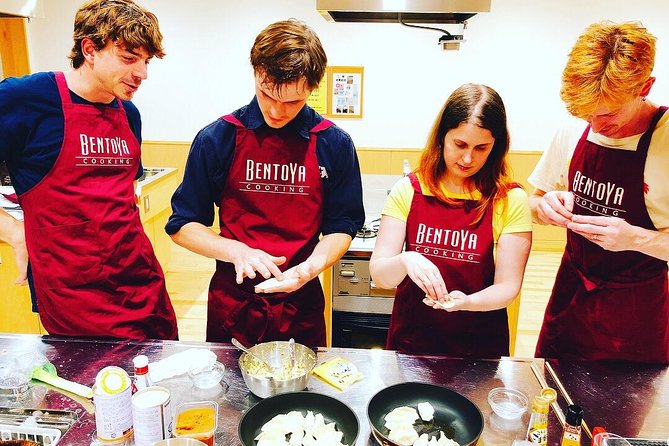
This isn’t a drop-in demo where you watch someone else cook. The class is set up so you’re making vegan ramen and gyoza with a hands-on flow, in a real home-kitchen setting in Tokyo Prefecture. That matters because Japanese cooking is detail-heavy: knife work, heat control, and timing all change the final bite.
The best part is the way the lesson connects ingredients to outcomes. You don’t just learn a recipe; you learn how to choose basics and then turn them into something that feels unmistakably Japanese. The group stays small (up to six), so questions don’t get lost, and you’re not waiting forever for a turn at the cutting board.
Also, I like that the experience is grounded in practicality. You’ll be shown what to buy, how to use it, and how to rebuild the meal later. One standout theme in past class stories is that people leave feeling confident enough to cook again at home.
You can also read our reviews of more tours and experiences in Tokyo Prefecture.
The 2.5-Hour Cooking Flow: From Komae Station to a Finished Lunch
The class starts near public transportation at Komae Station (1 Chome-7 Motoizumi, Komae, Tokyo 201-0013). It runs within the late-morning window (opening hours list 10:00 AM–1:00 PM) and is planned for about 2 hours 30 minutes total, so you’re not tied up all day.
Here’s how the experience typically unfolds, and why each part is worth your time:
1) Meet up, then head to the supermarket
You’ll head to a local supermarket to learn Japanese basic ingredients. This is more than a quick stop. The point is that Japanese pantry staples can be confusing if you’ve never hunted them down before, especially for vegetarian or vegan cooking.
You’ll get practical guidance on what to look for—things like how ingredients are labeled and how they show up in everyday Japanese cooking. If you want to recreate this later, this is the moment that actually pays off.
2) Back to the kitchen: ramen soup from scratch
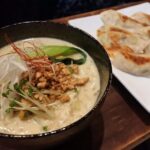
Once you’re set up in the kitchen, the ramen work begins. The class focuses on making the ramen soup from the start, not using a shortcut base. That’s a big deal with vegan ramen, because the “soup foundation” is where most store-bought versions lose their charm.
You’ll learn the logic of the flavor: what goes in, when it goes in, and how to manage the final taste. Past students often highlight how satisfying it is to see the ingredients that build the soup and then taste the result.
3) Then gyoza: stuffing, shaping, cooking
While ramen simmers, you move into gyoza. Gyoza are dumplings made with minced stuffing, and the class teaches the techniques you need to do this cleanly: preparation, assembly, and cooking.
You’re not just making a single batch and calling it done. The goal is to leave with a method you can repeat. Many people mention that the instruction was clear enough to reproduce at home, which tells you the class is teaching technique rather than just serving a meal.

4) Lunch you actually made
At the end, you eat what you cooked. Even if you’re a strong cook already, this is still a useful experience because you’re getting a Japanese method for vegan/vegetarian versions of two comfort foods.
If you have a light lunch beforehand, you’ll enjoy the cooking more without feeling rushed by hunger—though the class is clearly set up so you’re getting a satisfying end result.
Ramen Soup From Scratch: The Flavor Lesson You’ll Reuse
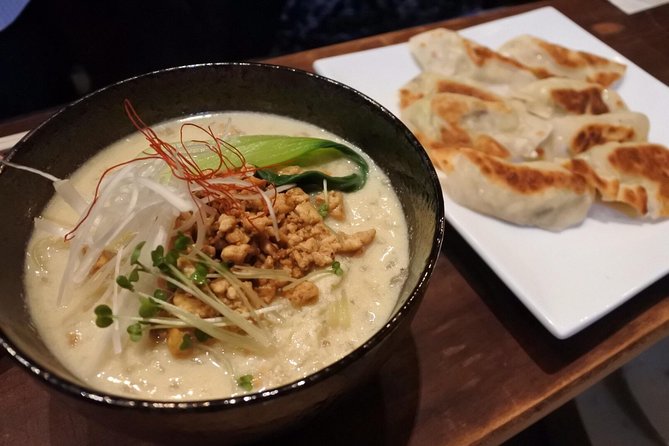
Ramen sounds simple until you try to make it. The noodles matter, sure, but the soup is the star. This class treats the soup like a craft.
The big contextual problem in Japan is dashi, the traditional soup stock made mainly from fish. Vegetarian eating in Japan can get complicated because many “safe” dishes still lean on fish-based foundations. This cooking school approach is built specifically for vegan and vegetarian diners, so you’ll learn plant-based ways to get the depth people want in ramen.
What I love about this kind of class is the mindset shift:
- You learn what each component is doing for flavor.
- You stop guessing and start tasting as you cook.
- You get a framework you can adapt later.
A lot of ramen classes skip this foundation work and jump straight to assembly. Here, you learn how the soup comes together, and that’s why students often say they can make it again after they go home.
Gyoza That Don’t Feel Like an Afterthought
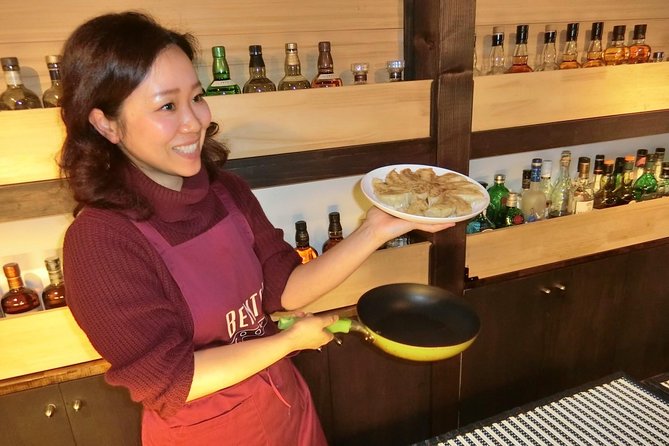
Gyoza are easy to buy. They’re harder to make well. The class focuses on the fundamentals: stuffing preparation, assembly, and cooking so you get dumplings that feel right for Japanese comfort food.
The technique you practice is the kind that improves your everyday cooking too—how to portion filling, how to shape without overstuffing, and how to control the cooking process so you don’t end up with dumplings that are soggy on the wrong side.
People often point out two things after class:
1) The food is delicious.
2) The steps are understandable enough to redo later.
That combination is exactly what you want from a hands-on class. If you’re the kind of person who enjoys cooking but hates repeating complicated recipes that never turn out the same, this is the kind of lesson that can break that cycle.
Your Instructor Team: Kaori, Miwa, and Rina
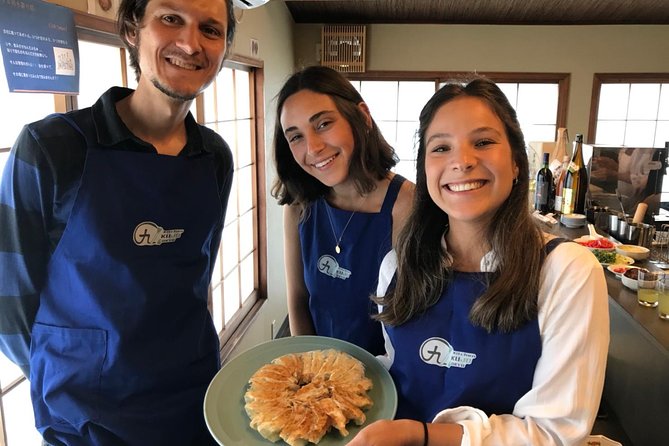
One of the most comforting parts of a cooking class is clarity. This experience is taught by local certified instructors, and you may meet different teachers depending on the date.
Commonly mentioned names include Kaori, sometimes with Miwa helping during the lesson, and on some dates, Rina has led participants through both the supermarket learning and the cooking session.
Across these stories, the pattern is consistent:
- English is strong enough to keep you moving step-by-step.
- Questions are welcomed.
- You get coaching on technique, not just a printed recipe.
That matters if you’re not a confident Japanese cook yet. With ramen and gyoza, small mistakes can change texture fast, so having real guidance helps you avoid the common traps.
Price and Value: $75 for Skills You Can Actually Use
At $75.00 per person for about 2 hours 30 minutes, this sits in the middle range for Tokyo food experiences, but the value comes from what you leave with.
You’re paying for three things that normally cost time or money separately:
- Ingredient education via a local supermarket visit
- Hands-on cooking instruction for two dishes
- A repeatable method you can recreate with instruction files afterward
Also, this class caps at 6 travelers, which usually means you get more individual help than you would in a big-group demo. Past students consistently call out the organization and how friendly the hosts are, which is not just nice—it improves learning speed.
Timing matters too. The class is commonly booked about 27 days in advance on average. If you want a specific date, it’s smart to lock it in earlier rather than hoping for the best.
Who This Is For (and Who Might Want Another Option)
This class fits well if you:
- Want a real cooking skill, not just a tasting
- Eat vegan/vegetarian (or you want those options without sacrificing flavor)
- Like Japanese food enough to learn how it’s built
- Enjoy structured help that makes later cooking easier
You might pause and consider alternatives if:
- You’re mainly looking for sightseeing only. This is a kitchen experience, not a tour-bus day.
- You expect perfectly traditional fish-based dashi style ramen. The class is designed around vegetarian/vegan constraints, so your soup will follow a different route to depth.
- You’re short on time. Two and a half hours is manageable, but it still takes a morning block and includes walking between places.
Weather also plays a role. The activity requires good weather, and if it’s affected, you’ll be offered a different date or a full refund. In Tokyo, that’s usually a minor factor, but it’s worth keeping in mind for summer plans.
Practical Tips Before You Go
A few things make the day smoother:
- Wear comfortable shoes. You’ll likely be moving between the station area and the supermarket, then back to the kitchen.
- Come hungry enough to enjoy the finished meal, but not so ravenous that you feel distracted during the cooking steps.
- If you have allergies or very strict dietary needs, be ready to explain them. The class is vegan/vegetarian by design, but ingredient choices can still vary depending on the style of substitutions.
- Bring a curious mindset. This experience works best when you treat it like learning, not just eating.
If you’re planning other Tokyo food stops that day, I’d keep this morning mostly for cooking so you can focus.
Should You Book BentoYa Cooking’s Vegan Ramen and Gyoza Class?
I think you should book it if you want a hands-on takeaway from Tokyo cooking, especially if you care about vegan/vegetarian Japanese food that still tastes like comfort.
The biggest reasons to say yes are simple:
- You’ll make ramen soup from scratch and gyoza yourself.
- You get ingredient guidance at a supermarket, which helps you rebuild the meal later.
- The class stays small and teaching is practical, with strong communication from instructors like Kaori (sometimes with Miwa) and Rina depending on the day.
If your idea of ramen only works with classic fish-based dashi, or if you’re looking for a pure sightseeing morning, this may not match your priorities. But if you want to learn how to make flavorful vegan Japanese food at home, this is the kind of class that turns into a repeatable habit after your trip ends.
FAQ
Where does the class start?
The activity meets at Komae Station (1 Chome-7 Motoizumi, Komae, Tokyo 201-0013, Japan).
How long is the vegan ramen and gyoza cooking class?
It runs for about 2 hours 30 minutes.
How much does it cost?
The price is $75.00 per person.
Do I need to be vegan to join?
No. The experience is for vegan/vegetarian Japanese cooking, but it’s still about learning how to make plant-based versions of ramen and gyoza.
How big is the group?
The class has a maximum of 6 travelers.
What time does it run?
The listed opening hours are Monday through Sunday from 10:00 AM to 1:00 PM, and the experience is about 2 hours 30 minutes in length.